From One Conversation to a Growing Sisterhood
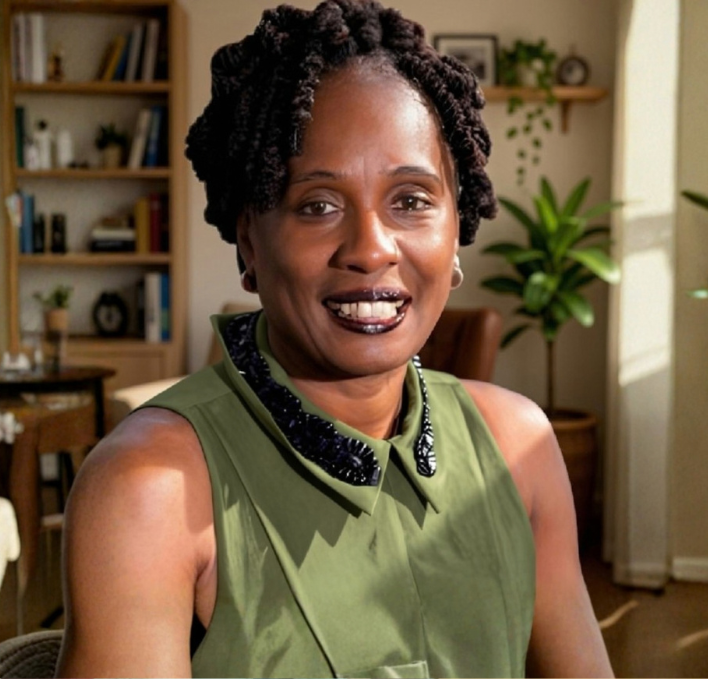
A conversation that made me think
Sometimes, change starts with one simple conversation.
I was attending a group for unpaid Carers when I heard a group of women talking about taking a city break to Dublin. It sounded like a lovely idea, but some of the women said they would not be able to go. For some, the issue was that they could not leave the person they cared for. For others, the cost of the trip made it unaffordable.
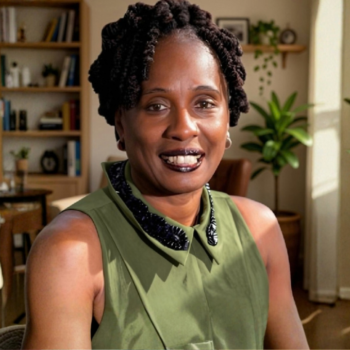
I have many years of lived experience myself. I cared for my brother and now help to care for my elderly parents, so I understood some of the challenges they were describing. I started talking to the women about the support that might be available to them, including respite care, carer breaks, Direct Payments and different financial and welfare entitlements.
What surprised me was how much of this information was new to them.
“I’m just doing what family does”
Recognising Unpaid Carers in African Caribbean Communities
That conversation made me think about something I had already noticed within my own African Caribbean community.
There are many people providing a huge amount of care for parents, partners, brothers, sisters and other family members, but they do not necessarily see themselves as unpaid Carers. For many of us, caring is simply seen as something you do for your family. It can be deeply rooted in our culture and the way we have been brought up. This can be particularly true for women and eldest daughters, where there can be an expectation that you will naturally step in and care for others.
Because of this, people may not realise that they are entitled to support. They may be missing out on information, financial help, breaks from caring or services that could make their lives a little easier. I also noticed that the women seemed comfortable talking to me because I had my own lived experience of caring. They knew I understood some of the pressures and realities they were facing, and they trusted the information I was sharing.
That really stayed with me.
Creating something that worked around caring
Later that evening, I kept thinking about the women I had spoken to. I wondered how many other women were in the same position and how I could reach them. I knew that regular face-to-face meetings would not always be practical. Caring responsibilities can change from day to day, and it is not always easy to leave the person you support.
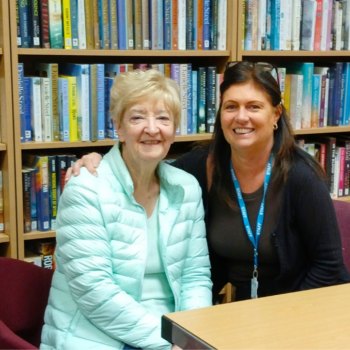
That was when the idea of a WhatsApp group came to me. I wanted to create a space where women could connect at a time that worked for them, ask questions, share information and support one another. That was how the West Midlands African Caribbean Sisterhood began. The group now has around 35 members and continues to grow.
From a WhatsApp group to a community
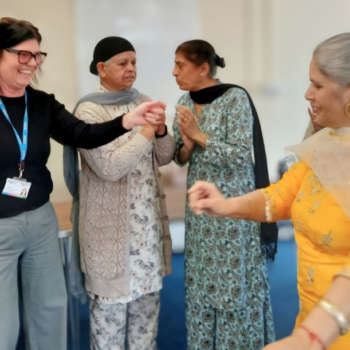
What started as a small WhatsApp group has become much more. We now also meet in person once a quarter, which gives everyone the chance to catch up, talk face-to-face and enjoy a hot drink together. We have been fortunate to use community venues that have been offered to us free of charge, including the Sandwell African Caribbean Mental Health Foundation at the Kuumba Centre and local church halls.
These meetings are about more than sharing information.
They are about women having a space where they feel heard, understood and supported. We talk about the realities of caring, share experiences, exchange useful information and encourage one another. For me, one of the most rewarding things has been seeing women grow in confidence and realise that they are not alone.
Making sure Carers’ voices are heard
My own experiences of caring have also encouraged me to get involved in wider work to improve services for Carers. I have been part of the co-production team working on the new Sandwell Carers contract, attended Carers Voice focus groups through Sandwell Carers Service and contributed to West Midlands ADASS regional co-production work to help improve adult social care.
More recently, I was honoured to be appointed as a Lived Experience Contributor with the National Institute for Health and Care Research (NIHR). This role gives me another opportunity to make sure the voices of people with lived experience are heard when health and social care research is being developed. It means I can contribute to conversations about research priorities, funding decisions and the outcomes that matter to people and communities.
Why this matters to me
For me, the Sisterhood is about connection, recognition and making sure women know they do not have to navigate caring alone. Too often, people provide care for years without recognising themselves as a Carer or knowing that support is available to them. I want more women in our community to know that the care they provide matters, their own wellbeing matters, and their experiences and voices matter too.
What started with one conversation about a trip to Dublin has grown into a community of women sharing knowledge, supporting one another and using their experiences to influence change. I never imagined that one conversation would lead to all of this. It has shown me what can happen when Carers come together, share what they know and create a space where people feel they belong.
Join the West Midlands African Caribbean Sisterhood
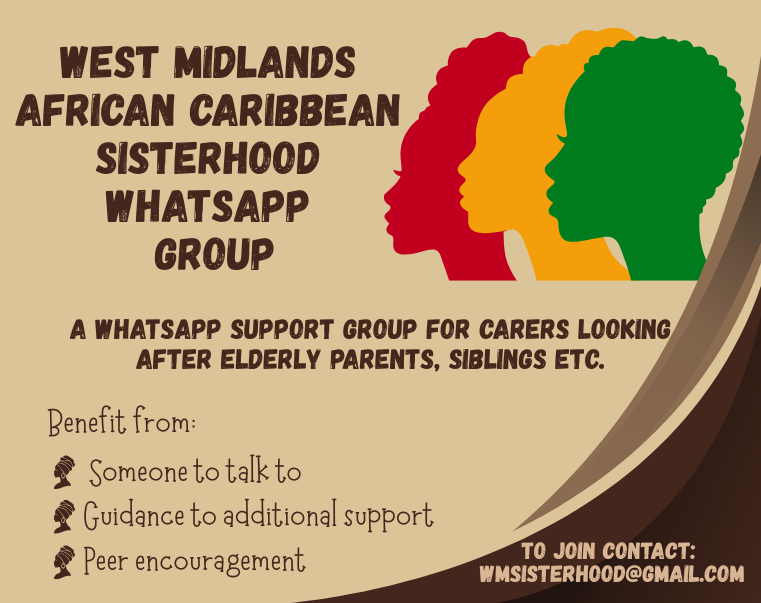
If you are an African Caribbean woman with caring responsibilities, you are warmly invited to find out more about the West Midlands African Caribbean Sisterhood.
Whether you identify yourself as a Carer or simply see yourself as someone looking after a family member, the Sisterhood offers a space to connect with other women who understand, share information and support one another.
To find out more about joining the WhatsApp group, contact Angela atwmsisterhood@gmail.com.
Could you create a community of your own?
Sometimes, all it takes is one conversation to bring people together.
If Angela’s story has inspired you to create a Carer Support Group in your own community, our Making Spaces Toolkit can help you take those first steps. It includes practical guidance to help turn an idea into a welcoming and supportive space for Carers.
Explore the Making Spaces Toolkit
Your experience can help create change
Angela’s story also shows the difference Carers can make when their experiences are heard.
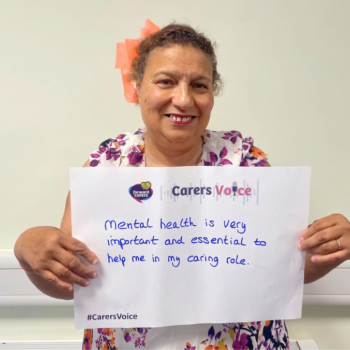
Forward Carers wants Carers to be part of shaping the services, decisions and conversations that affect them. Through Carers Voice, sharing your story or taking part in our podcast, you can help us understand what is working, what needs to change and what matters most to Carers and their families.
Your experience could help another Carer feel recognised. Your ideas could help improve a service. And your voice could contribute to wider change.
There are different ways to get involved
One conversation started the Sisterhood. What could your conversation start?