Carer Support in Sandwell’s Hospitals
Sandwell Carers Service is working with hospitals and health professionals across Sandwell to help unpaid Carers be identified earlier, listened to and connected with the right support.
If you provide support to a family member, friend or neighbour, contact with health services may already be a regular part of your life. You might make or attend appointments, arrange or collect medication, speak to health professionals or visit the person you care for in hospital.
If you help someone because they could not manage without your support, you are a Carer – even if you do not think of yourself as one. Recognising yourself as a Carer is important because there is free support available for you too.
We also want health professionals to recognise the important role Carers play. As a Carer, you can bring valuable knowledge about the person you support – from their usual routines and communication needs to changes in their health or behaviour.
That is why Sandwell Carers Service is working closely with health professionals and taking Carer support directly into healthcare settings across Sandwell.
Working with health professionals across Sandwell
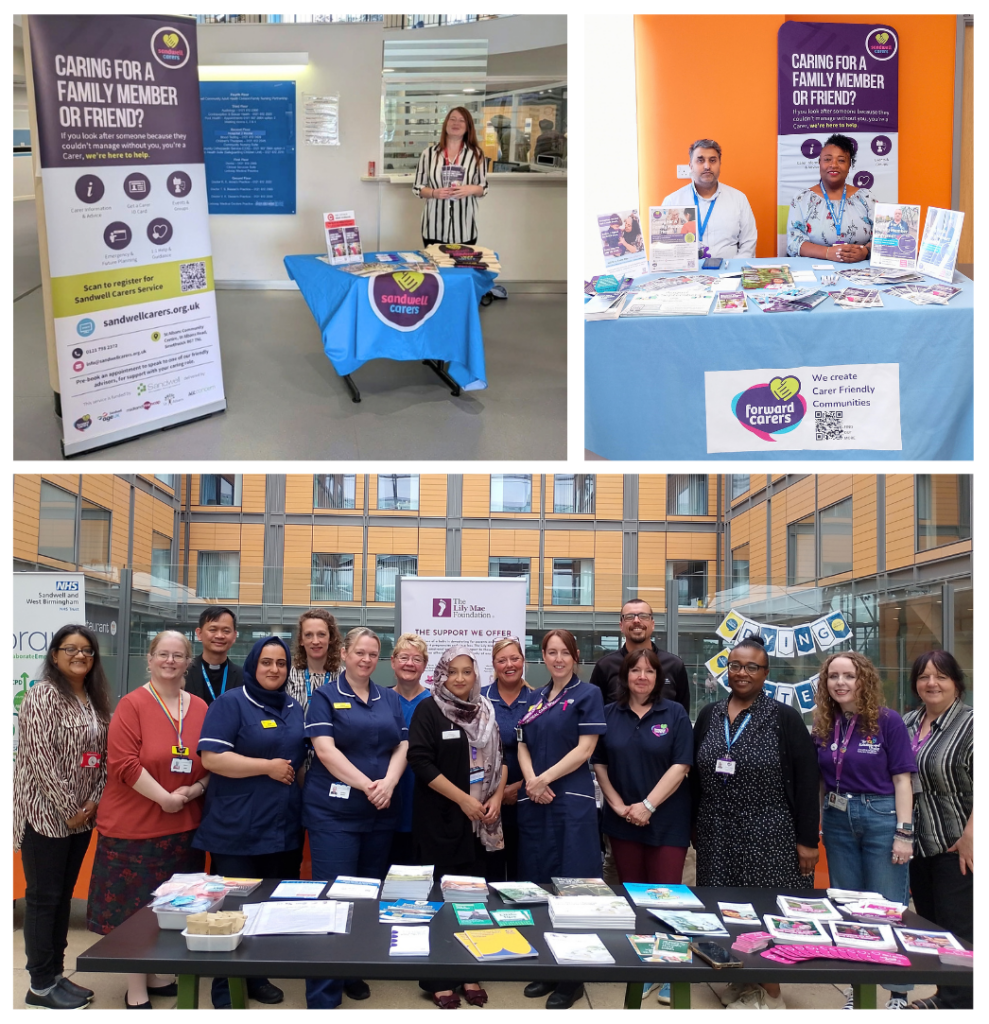
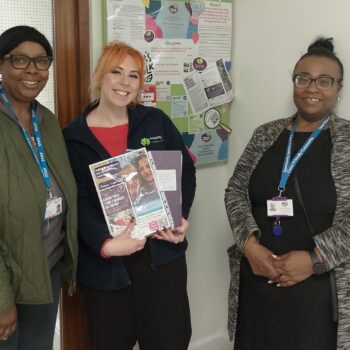
Since Sandwell Carers Service launched in September 2025, we have been building relationships with local health services and raisng awareness of unpaid Carers and the support available to them. This has included attending and engaging with:
- A Carers event for hospital staff at Midland Metropolitan University Hospital (MMUH)
- The Dying Matters event at MMUH
- Black Country Healthcare NHS Foundation Trust
- Edward Street Hospital
- Older Adults Therapeutic Service (OATS)
Alongside our work with local GP practices, we also have a regular presence at Midland Metropolitan University Hospital, Sandwell Hospital and Rowley Regis Hospital.
Hospitals can be an important place to identify and support Carers. You might suddenly find yourself caring for someone following an illness, accident or hospital admission. Or may have been supporting someone for years without realising that you are a Carer or that support is available for you.
Taking Sandwell Carers Service into our hospitals
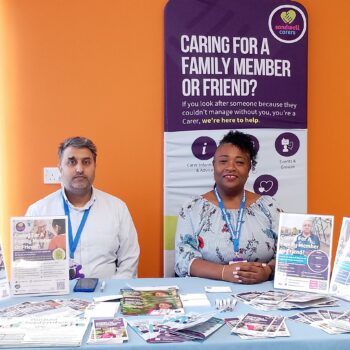
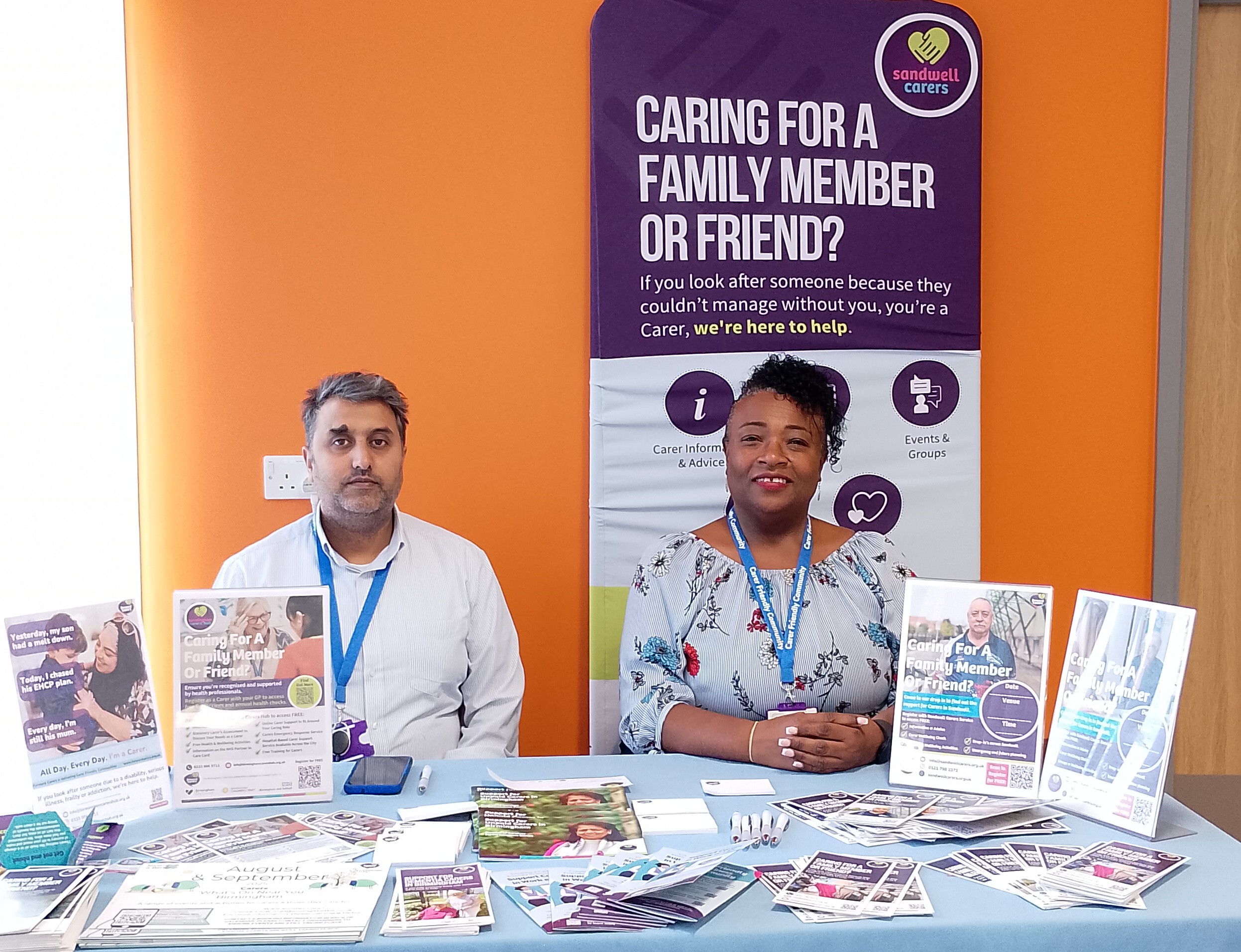
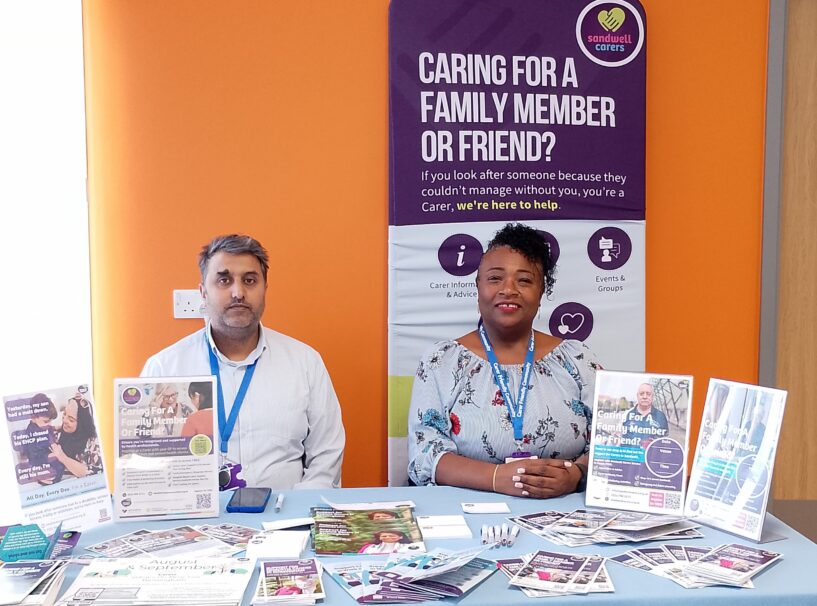
Our regular hospital drop-ins give you the opportunity to speak face-to-face with a Sandwell Carers Service Information and Advice Officer.
Midland Metropolitan University Hospital
5th Floor, outside the Patient Experience Office
Next drop-in: 11 November 2026
Time: 1.30pm–3.00pm
Sandwell Hospital
Ground Floor, Outpatients Area
Next drop-ins: 14 October and 9 December 2026
Time: 1.30pm–3.00pm
Rowley Regis Hospital
Reception area, near the main doors
Next drop-in: 22 October 2026
Time: 10.30am–12 noon
You can come and talk to us about your caring role, find out how to register with Sandwell Carers Service and learn more about the information, advice and support available to you. Sometimes one conversation can be the starting point for getting the right support in place.
Supporting you when the person you care for is in hospital
Our work with hospitals is also about making sure Carers understand the support available when the person they care for is receiving treatment. A hospital admission may give you an opportunity to take a break from some of your caring responsibilities. Equally, you may want or need to remain involved.
You may know how the person communicates, what helps them feel safe and comfortable, their usual routines, or what is and is not normal for them. This knowledge can be valuable to the professionals providing their care.
If you want to remain involved, tell the nurse or healthcare professional that you are the person’s Carer and ask about the Essential Companion Access Card.
At Sandwell and West Birmingham NHS Trust, the Essential Companion Access Card can provide greater flexibility around visiting and, where appropriate, involvement in care, mealtimes and decision-making. Support can also include an overnight stay where appropriate and free parking for up to one month.
Find out more about the Essential Companion Access Card
Knowing when and how to speak up
Making healthcare more Carer Friendly also means recognising that you know the person you care for. You may notice small but important changes in their behaviour, communication or health because you know what is normal for them.
Sandwell and West Birmingham NHS Trust has implemented Martha’s Rule, which gives patients, families and Carers an additional route to raise concerns if they are worried that a patient’s condition is getting worse.
If the person you care for is an inpatient and you think they are becoming more unwell, raise your concerns with the ward nurse or doctor in the first instance. If you remain concerned after speaking to the clinical team, the Trust’s Call for Concern service can be contacted on:
07811 715041 – available 24 hours a day, 7 days a week
The service is provided by the Critical Care Outreach team. As a Carer, your knowledge matters. If something does not seem right, speak up.
Building a more Carer Friendly Sandwell
Our ambition is for unpaid Carers to be recognised and supported wherever they come into contact with health services – from the reception desk at their GP practice to a hospital ward.
Through Carer Champion Health Training, engagement with GP practices, hospital drop-ins and wider awareness raising, Sandwell Carers Service is working alongside health professionals to make this happen.
Three things for Carers to remember
There are three simple actions you can take:
- Tell your GP practice you are an unpaid Carer and ask for this to be recorded on your patient record.
- Look out for Sandwell Carers Service at our hospital drop-ins and speak to us about your caring role and the support available.
- If the person you care for is admitted to hospital, tell staff that you are their Carer. Ask about support such as the Essential Companion Access Card and remember that Martha’s Rule provides an additional route for raising concerns about deterioration.
We are working with health professionals across Sandwell so that Carers are recognised earlier, listened to and connected with the right support – because looking after the health and wellbeing of Carers is an important part of supporting the people they care for.